
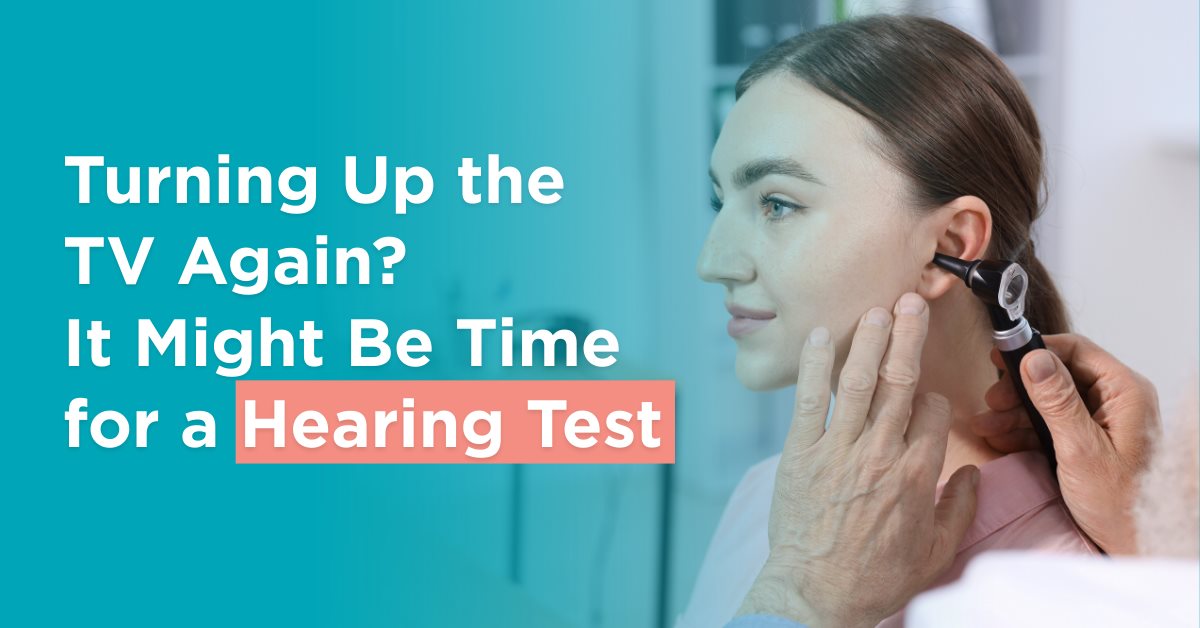


Have you found yourself increasing the TV volume more than usual?
Do conversations sound muffled, especially in busy environments?
Gradual hearing changes are easy to overlook. Because hearing loss often develops slowly, many people adapt without realising their hearing has declined.
Recognising the early signs and arranging a hearing test can make a significant difference to long-term outcomes.
What Is Early Hearing Loss?
Early hearing loss typically develops gradually and may not cause obvious symptoms at first.
Common early signs include:
- Frequently asking others to repeat themselves
- Difficulty following conversations in noisy settings
- Turning up the television or radio louder than others prefer
- Struggling to hear higher-pitched voices
- Feeling mentally fatigued after conversations
- Ringing in the ears (tinnitus)
These changes are often subtle, but they should not be ignored.
Why Early Detection Matters
Hearing is closely connected to communication, cognitive health and overall wellbeing.
Untreated hearing loss may contribute to:
- Social withdrawal
- Communication difficulties
- Reduced workplace performance
- Increased listening fatigue
- Higher risk of cognitive decline in older adults
Identifying hearing changes early allows for timely intervention and better long-term management.
What Happens During a Hearing Test?
A professional hearing test is simple, painless and non-invasive.
During your appointment, an audiologist or trained clinician may:
- Review your medical history
- Ask about symptoms and lifestyle factors
- Examine your ears
- Conduct pure tone audiometry (listening to sounds at different volumes and pitches)
- Assess speech recognition
The process typically takes 20–30 minutes and provides a clear understanding of your hearing levels.
Who Should Consider a Hearing Test?
You may benefit from a hearing test near me search if you:
- Are over 50
- Work in noisy environments
- Experience ringing in the ears
- Have a family history of hearing loss
- Notice gradual changes in hearing
- Frequently increase volume levels
Even without obvious symptoms, routine screening is recommended as part of preventative healthcare.
When to See an Audiologist
If a screening indicates hearing changes, you may be referred to an audiologist for further assessment.
An audiologist specialises in diagnosing and managing hearing and balance disorders. They can advise on:
- Hearing aids
- Assistive listening devices
- Tinnitus management
- Ongoing monitoring
Early consultation allows more effective treatment planning.
Could It Just Be Wax?
Sometimes, reduced hearing is caused by impacted earwax rather than permanent hearing loss.
A medical examination can determine whether simple ear cleaning resolves the issue or whether further testing is required.
This is why professional evaluation is important before assuming the cause.
Hearing Test in the Mornington Peninsula
If you’ve noticed changes in your hearing, arranging a hearing test in Mornington Peninsula is a proactive step.
Our team can assess your symptoms, conduct appropriate screening and guide you towards further care if required.
Early assessment provides clarity and reassurance.
Don’t Ignore the Signs
Turning up the TV occasionally is normal. Doing it regularly may be your body’s way of signalling change.
A hearing test is quick, straightforward and provides valuable insight into your hearing health.
If you are unsure whether your hearing has changed, booking an assessment is a sensible first step.
References
- Hearing Australia. Hearing loss and early signs. Available at: https://www.hearing.com.au (Accessed February 2026).
- Australian Government Department of Health and Aged Care. Hearing services program. Available at: https://www.health.gov.au (Accessed February 2026).
- Better Health Channel (Victoria). Hearing loss. Available at: https://www.betterhealth.vic.gov.au (Accessed February 2026).