
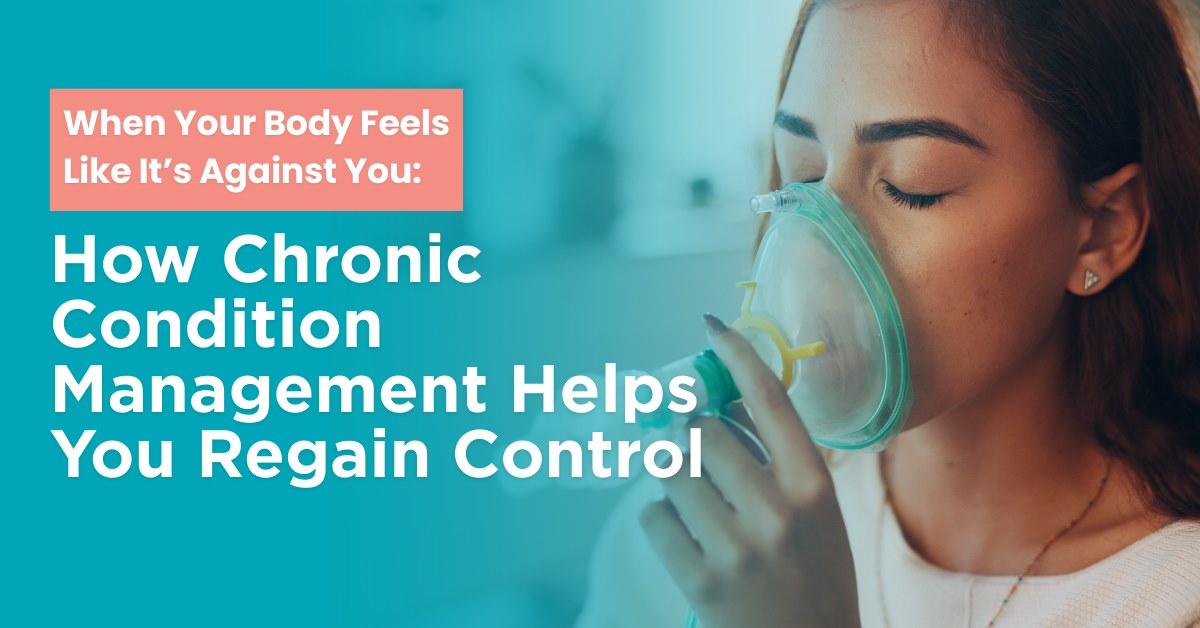



Living with a chronic health condition can feel overwhelming.
Some days, it may seem as though your body is working against you, fatigue that lingers, pain that persists, blood sugar that fluctuates, or blood pressure that refuses to stabilise.
Chronic conditions are long-term by definition. But long-term does not mean unmanageable.
With structured chronic condition management, you can regain stability, clarity and confidence in your health.
What Is a Chronic Condition?
A chronic condition is a health issue that lasts for six months or more and often requires ongoing medical care.
Common examples include:
- Type 2 diabetes
- Asthma
- Heart disease
- Arthritis
- Chronic pain conditions
- Thyroid disorders
- COPD
- Mental health conditions
These conditions may not be curable; but they are very often manageable.
Why Management Matters
Without structured care, chronic conditions can gradually worsen over time.
Uncontrolled chronic illness may lead to:
- Increased symptoms
- Complications
- Reduced mobility
- Decreased quality of life
- More frequent hospital visits
Effective chronic condition management focuses on early intervention, ongoing monitoring and prevention of complications.
The goal is not just survival, it is sustainable wellbeing.
What Does Chronic Condition Management Involve?
A tailored care plan usually includes:
- Comprehensive GP Assessment
Your GP will review:
- Medical history
- Current medications
- Symptom patterns
- Lifestyle factors
- Risk of complications
This forms the foundation of a personalised management strategy.
- Chronic Disease Management Plans
In Australia, eligible patients may access structured GP Management Plans and Team Care Arrangements under Medicare.
These plans may include:
- Clear health goals
- Regular review appointments
- Referrals to allied health professionals
- Ongoing monitoring
This coordinated approach improves long-term outcomes.
- MedicationOptimisation
Adjusting medications appropriately can significantly improve symptom control.
Your GP ensures prescriptions are:
- Evidence-based
- Safe
- Monitored regularly
Regular review helps prevent unnecessary side effects or under-treatment.
- Lifestyle and Preventative Strategies
Lifestyle plays a major role in chronic illness control.
Management may include:
- Nutrition guidance
- Structured exercise programs
- Stress reduction strategies
- Smoking cessation support
- Sleep optimisation
Small, consistent changes often produce meaningful results over time.
The Emotional Impact of Chronic Illness
Chronic conditions affect more than physical health.
Many patients experience:
- Frustration
- Anxiety
- Loss of independence
- Low mood
Addressing emotional wellbeing is an essential part of comprehensive care.
You are not alone in navigating this process. Ongoing GP support creates continuity and reassurance.
Regaining Control Through Structured Care
One of the most empowering aspects of chronic condition management is predictability.
Regular reviews allow your GP to:
- Track progress
- Adjust treatment plans
- Identify complications early
- Provide proactive guidance
Over time, patterns become clearer. Symptoms become more manageable. Confidence improves.
Chronic Condition Management in the Mornington Peninsula
If you are living with a long-term health condition, structured support can significantly improve your quality of life.
At The Peninsula Medical & Dental Clinic, we provide comprehensive, personalised care for chronic illness management across the Mornington Peninsula.
Our approach focuses on:
- Individualised care plans
- Preventative monitoring
- Coordination with allied health providers
- Long-term partnership
Booking a consultation allows us to review your current management plan and ensure it is aligned with your goals.
You Deserve Support, Not Just Symptoms
When your body feels unpredictable, it can be easy to feel discouraged.
However, chronic illness does not have to define your daily life.
With consistent medical guidance, proactive monitoring and evidence-based treatment, you can regain control and move forward with greater confidence.
If it has been some time since your condition was reviewed, now may be the right moment to reconnect with your GP and reassess your plan.
References
- Royal Australian College of General Practitioners (RACGP). Guidelines for preventive activities in general practice (Red Book). Available at: https://www.racgp.org.au (Accessed February 2026).
- Australian Government Department of Health and Aged Care. Chronic disease management. Available at: https://www.health.gov.au (Accessed February 2026).
- Australian Institute of Health and Welfare (AIHW). Chronic conditions and multimorbidity in Australia. Available at: https://www.aihw.gov.au (Accessed February 2026).
- Services Australia. Chronic Disease Management (CDM) Plans. Available at: https://www.servicesaustralia.gov.au (Accessed February 2026).