
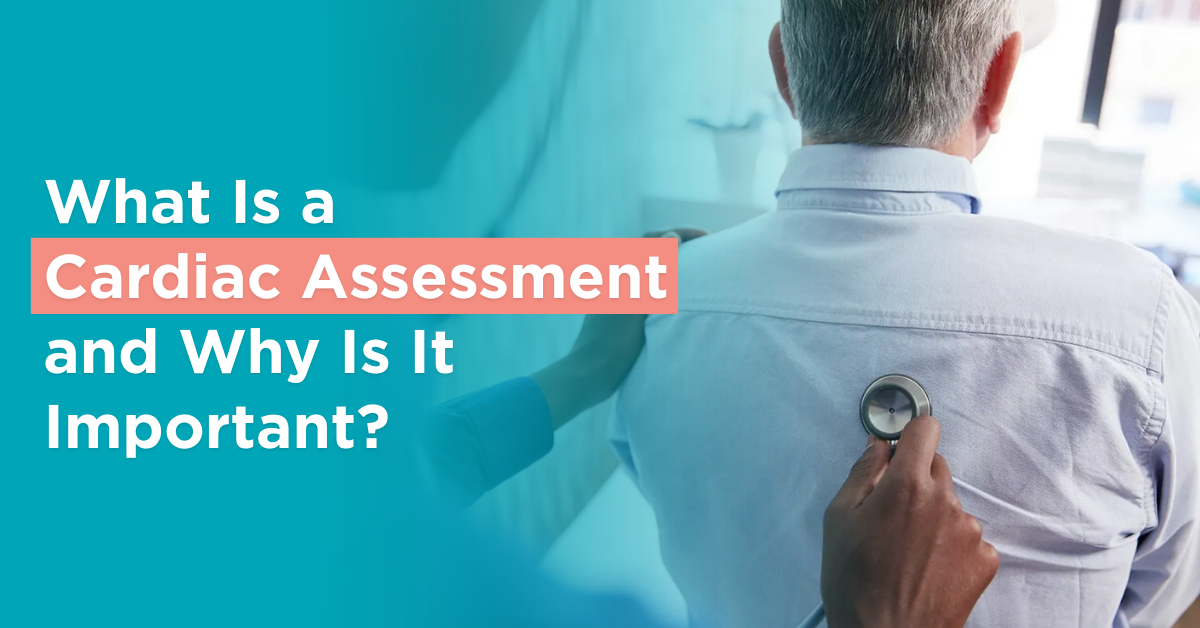



Heart disease remains one of the leading causes of illness in Australia, yet many cardiovascular conditions develop quietly over time.
A cardiac assessment helps identify risk factors early, often before symptoms appear. Whether you have a family history of heart disease or simply want reassurance, understanding your heart health is one of the most important preventative steps you can take.
Early detection saves lives.
What Is a Cardiac Assessment?
A cardiac assessment is a structured evaluation of your heart health. It aims to identify risk factors for cardiovascular disease and detect early signs of heart-related conditions.
A typical cardiac health check-up may include:
- Blood pressure measurement
- Cholesterol testing
- Blood glucose testing
- Cardiovascular risk scoring
- Review of family history
- Lifestyle assessment (diet, exercise, smoking, alcohol)
- Weight and BMI measurement
Depending on your symptoms or risk level, your GP may recommend further investigations.
Why Is a Heart Health Check Important?
Many cardiovascular conditions do not cause noticeable symptoms in their early stages.
High blood pressure, elevated cholesterol and early coronary artery disease can develop gradually. Without a heart health check, these risk factors may remain undetected.
A cardiac review allows your GP to:
- Estimate your 5–10 year cardiovascular risk
- Recommend preventative lifestyle changes
- Initiate early medical management if required
- Monitor trends over time
Prevention is far more effective and less invasive, than treating advanced heart disease.
Who Should Consider a Cardiac Assessment?
A cardiac assessment is particularly important if you:
- Are over 40
- Have a family history of heart disease
- Have high blood pressure
- Have high cholesterol
- Smoke or previously smoked
- Have diabetes
- Are overweight or sedentary
However, even younger individuals may benefit if they have multiple risk factors.
Symptoms That Should Prompt Urgent Review
While preventative screening is ideal, certain symptoms require immediate medical attention.
Seek urgent care if you experience:
- Chest pain or pressure
- Shortness of breath
- Sudden dizziness or fainting
- Unexplained palpitations
A cardiac assessment is not a substitute for emergency evaluation.
What Additional Tests Might Be Required?
Depending on findings during your cardiac health check-up, your GP may recommend:
- ECG (electrocardiogram)
- Stress testing
- Echocardiogram
- Holter monitoring
- Referral to a cardiologist
These tests help assess heart rhythm, structure and function in greater detail.
Preventive Cardiology: Acting Before Disease Develops
The field of preventive cardiology focuses on reducing cardiovascular risk before disease becomes established.
Preventative strategies may include:
- Structured exercise plans
- Dietary modifications
- Weight management
- Blood pressure control
- Cholesterol-lowering medications where indicated
- Smoking cessation support
Small changes, implemented early, can significantly reduce long-term risk.
Cardiac Assessment in the Mornington Peninsula
If it has been more than a year since your last cardiovascular review, it may be time to schedule one.
You can arrange a cardiac assessment in Mornington Peninsula through our dedicated service page.
A personalised review provides clarity about your risk profile and helps you take proactive steps towards long-term heart health.
Protecting Your Heart for the Future
Your heart works continuously, every minute of every day.
Regular cardiac assessments, routine heart health checks, and a preventative approach to cardiovascular care help safeguard that function over time.
Even if you feel well, early screening offers reassurance and informed guidance.
Prevention today protects tomorrow’s health.
References
- Heart Foundation Australia. Heart disease risk assessment and prevention. Available at: https://www.heartfoundation.org.au (Accessed February 2026).
- Royal Australian College of General Practitioners (RACGP). Guidelines for preventive activities in general practice (Red Book). Available at: https://www.racgp.org.au (Accessed February 2026).
- Australian Institute of Health and Welfare (AIHW). Cardiovascular disease in Australia. Available at: https://www.aihw.gov.au (Accessed February 2026).
- Australian Government Department of Health and Aged Care. Cardiovascular health resources. Available at: https://www.health.gov.au (Accessed February 2026).